Reading LGBTQ+ books is a way to gain insight into experiences both similar to and different from my own, to feel seen and understood, and to support authors who are bravely sharing their truths with the world.
The power of representation cannot be overstated. Seeing your identity reflected in the pages of a book can be validating, empowering, and even life-changing. At the same time, reading about characters and cultures beyond your lived experience cultivates empathy, challenges assumptions, and broadens your understanding of the beautifully diverse tapestry of human stories.
I’ve selected three upcoming titles that I cannot wait to get my hands on this year.
1984: The Year Pop Went Queer
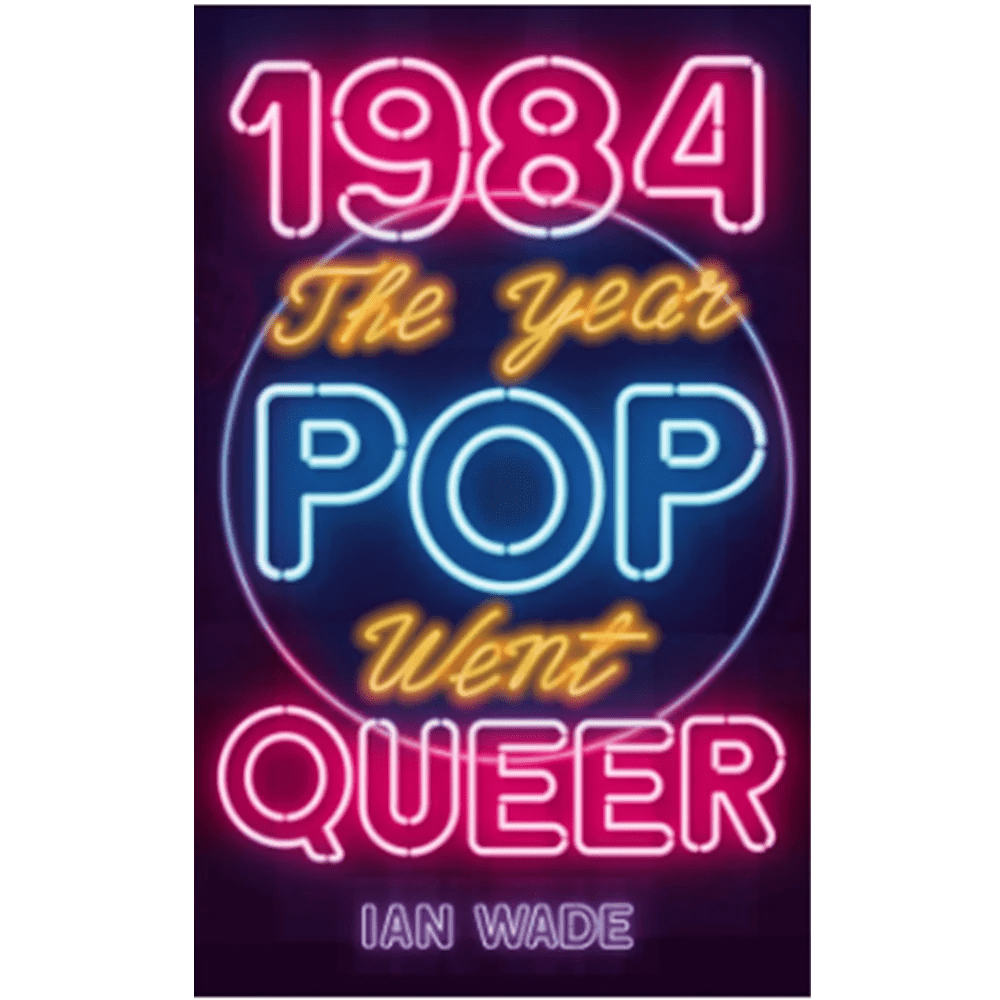
In “1984: The Year Pop Went Queer,” author Ian Wade promises to take readers on a captivating journey through a pivotal moment in music history. Against the backdrop of rampant homophobia and the emerging AIDS crisis, 1984 allegedly saw a revolutionary surge of openly queer artists and allies dominating the pop charts. From the gender-bending brilliance of David Bowie to the unapologetic pride of the Pet Shop Boys, I’m eager to see how this book explores the ways these icons subverted norms, pushed boundaries, and potentially paved the way for greater LGBTQ+ visibility in the years to come.
I’m excited to dive into Wade’s narrative and discover the personal stories and cultural impact of legends like Freddie Mercury, George Michael, and Madonna. I anticipate a celebration of their music while also gaining insight into the sociopolitical context that shaped their art. With the promise of meticulous research and vivid storytelling, “1984” has the potential to offer a fascinating look at a year that forever changed the face of pop culture.
100 Queer Poems
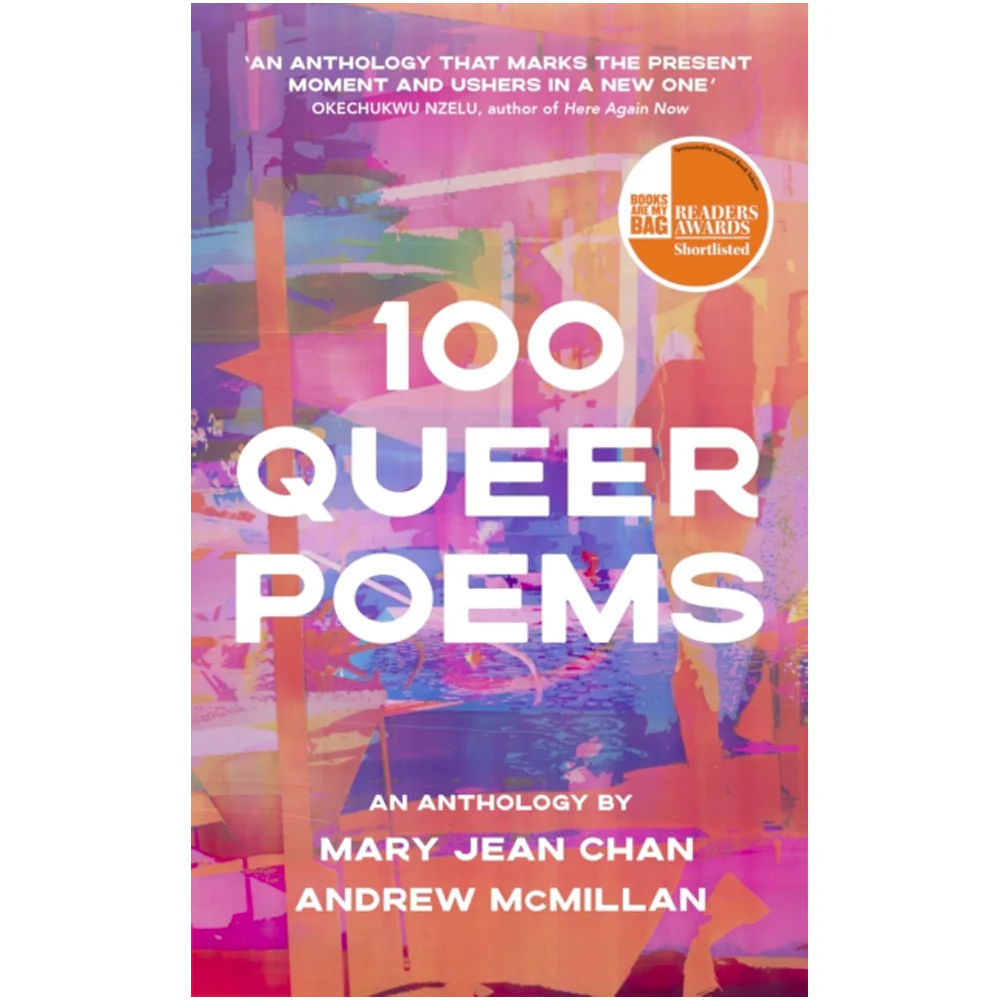
Andrew McMillan and Mary Jean Chan’s forthcoming anthology, “100 Queer Poems,” promises to be a luminous celebration of both contemporary voices and visionary poets of the past. I’m eager to explore how this collection encompasses the flourishing of queer poetry over recent decades, as well as paying homage to the groundbreaking poets who came before.
I’m intrigued by the prospect of questioning and redefining what we mean by a ‘queer’ poem, and I look forward to encountering a diverse range of writing spanning from the twentieth century to the present day. The inclusion of classics by the likes of Elizabeth Bishop, Langston Hughes, Wilfred Owen, Charlotte Mew, and June Jordan alongside central contemporary figures such as Mark Doty, Jericho Brown, Carol Ann Duffy, Kei Miller, Kae Tempest, Natalie Diaz, and Ocean Vuong, as well as exciting new voices like Chen Chen, Richard Scott, Harry Josephine Giles, Verity Spott, and Jay Bernard, suggests a rich tapestry of perspectives and experiences.
Curated by two acclaimed poets, “100 Queer Poems” seems poised to take readers on a journey from childhood and adolescence to forging new homes and relationships with chosen families, from urban life to the natural world, and from explorations of the past to the creation of future selves. I anticipate that this anthology will showcase the ways in which queer poets speak to one another across generations, and I’m excited to discover how it illuminates the ongoing dialogue within the queer literary community. With such a promise of insight, inspiration, and representation, “100 Queer Poems” seems destined to become an essential addition to the bookshelves of all readers passionate about the power and beauty of queer poetry.
Bury Your Gays
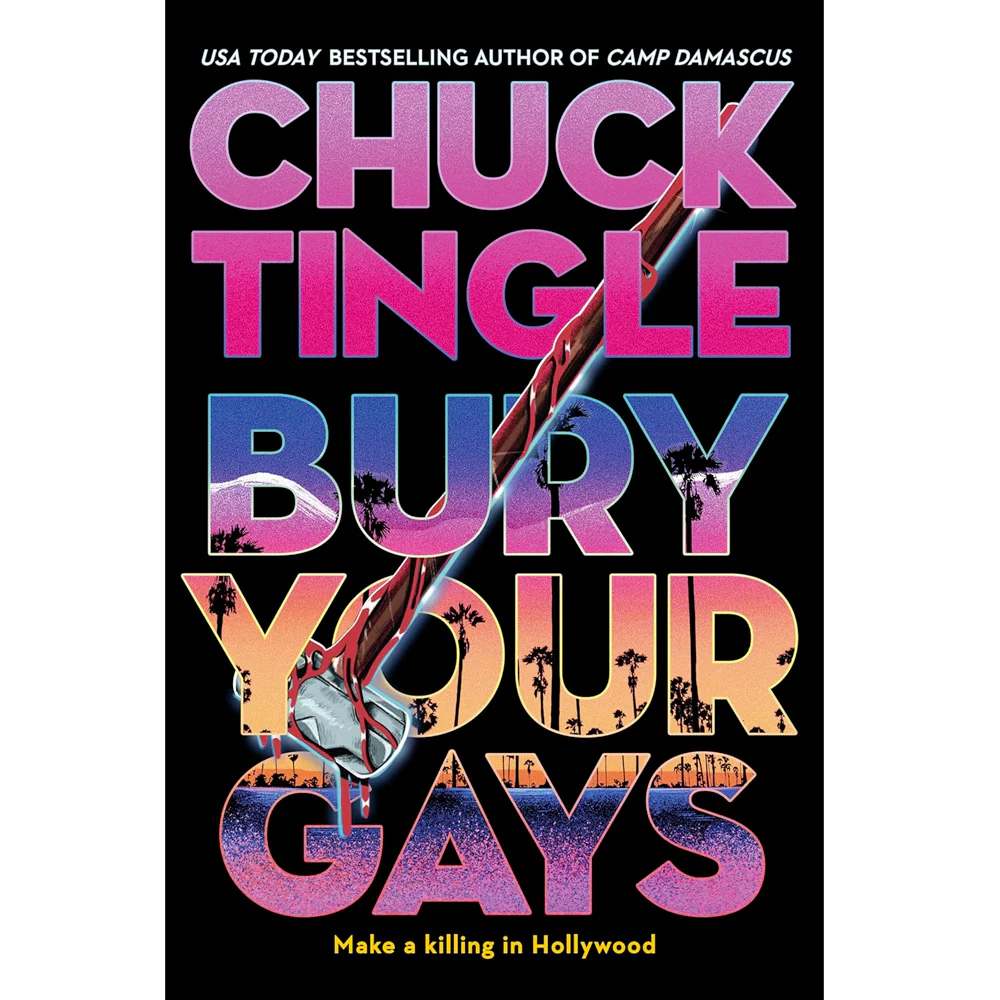
Chuck Tingle, the author behind the USA Today bestselling “Camp Damascus,” comes “Bury Your Gays,” a novel that promises to be a gripping exploration of the challenges faced by those fighting against a world that seems determined to silence them.
The story follows Misha, a veteran scriptwriter on the cusp of his first Oscar nomination, who finds himself at a moral crossroads when producers pressure him to kill off a gay character in the upcoming season finale, citing “the algorithm” as justification. I’m eager to see how Misha navigates this all-too-familiar scenario and the consequences of his refusal to comply. The premise suggests a thought-provoking commentary on the entertainment industry’s treatment of LGBTQ+ characters and the broader societal implications of these decisions.
As Misha becomes a target and finds himself haunted by monsters from his horror movie past, I anticipate a thrilling narrative that blends the personal with the supernatural. I’m intrigued by the prospect of exploring Misha’s past and the mistakes that continue to shape his present, as well as the symbolic significance of the monsters that stalk him and his friends through the Hollywood hills.
 lgbtq+ WRITING
Leave a comment